

By: Pete Wisnom, Director of Recruiting & Sourcing
Organizations around the world compete on television, radio, and social media for the top slots to advertise their products and services.
Yet, as the digital age increases and remote work becomes more accessible, companies wage another battle: competing for top employees with perks like workplace flexibility.
Work-life balance, hybrid workplaces, and remote work options have become a central pillar of employee benefits in America and abroad.
One LinkedIn study reports that many job seekers still prefer remote work. In the U.S. alone, more than 1 in 5 LinkedIn job seekers only apply to remote jobs. Evidence even suggests that offering workplace amenities can save employers money, since many workers would choose a remote position over a job with slightly higher pay.
This blog will explore the hiring trends behind flexible workplace arrangements, the performance benefits of the model, and how to build a flexible workplace.
IN THIS ARTICLE
- Hiring the Next Generation: Gen Z, Millennials, and the Flexible Work Culture
- Expanding the Framework: Remote, Hybrid, and Tactical Flexibility
- The Surprising Performance Benefits of Hybrid Work Models
- Retaining Top Talent: How to Implement Flexible Work Arrangements
- Connect With AllSearch Recruiting to Hire Top Professionals
Hiring the Next Generation: Gen Z, Millennials, and the Flexible Work Culture
Gen Z is entering the workforce and beginning to dominate corporate spaces. Deloitte projects that both Gen Z and Millennials will make up two-thirds of the labor force within the next few years following 2025.
And here’s the catch—71% of Gen Z employees prefer a hybrid work model, which is the highest preference among all generations.
Why? There are a variety of factors that influence why these demographics prioritize technology, AI, and flexibility to promote work-life balance.
The beginning of this trend might be traced back to the COVID-19 pandemic. As the global community entered lockdown in 2020, entire industries shifted and became adept at working from home.
Suddenly, the pandemic forced organizations to structure around the latest videoconferencing and cloud technologies.
Yet, the generations most strongly impacted were Gen Z and Millennials, since they grew up with the shift from analog to digital technology. These digital natives found it natural to make the transition to remote and hybrid work.
In a post-COVID-19 world, the latest studies confirm that the desire for flexible work arrangements is growing among employees:
- 59% of employees schedule personal appointments during work hours.
- 65% of employees want structured flexibility with short, nonlinear work blocks.
- 51% of workers express interest in being replaced by an AI avatar in a meeting.
As companies increase competition for top talent, promoting an employer brand with flexible workplace benefits will become more important than ever.
Expanding the Framework: Remote, Hybrid, and Tactical Flexibility
What is a flexible work schedule? Many employers define this term differently, depending on the industry and culture at their organization. Flexibility is about freedom over work time and location—yet, the right model needs to fit the position.
Remote Work: The Borderless Talent Pool
The remote work model allows employees to work 100% from the location of their choice, usually their home office. It’s the ultimate hook for attracting niche technical talent. By removing geographic barriers, you go beyond the talent in your zip code and attract global workers.
The model also supports employees who need to travel frequently for work and balance office tasks with time on the road.
Hybrid Work: The Balanced Model
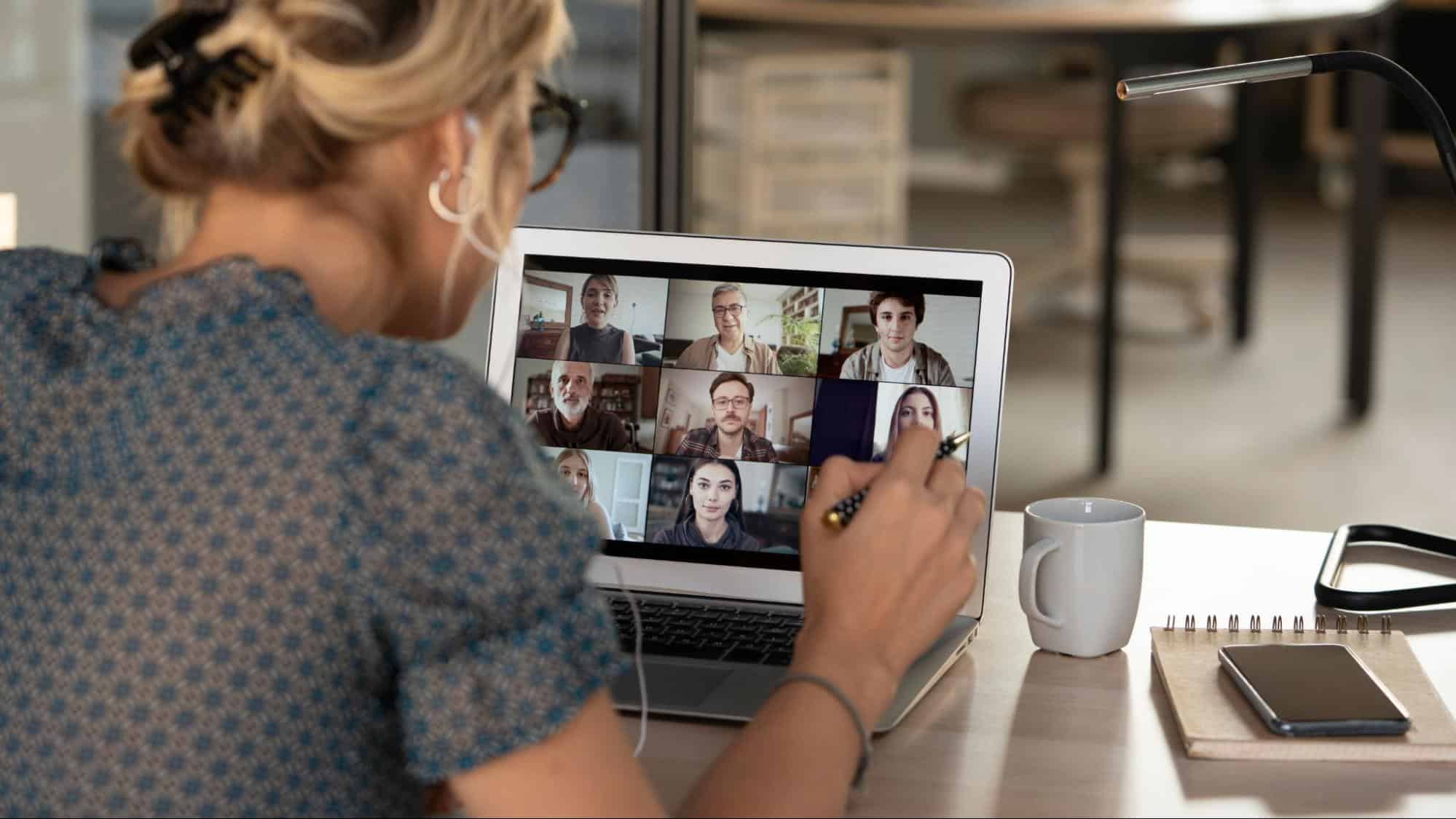
Hybrid work blends the freedom of remote work and work-life balance with anchor days in the office. Anchor days in the office allow teams to meet in the office for brainstorming, mentorship, training, and culture-building, while remote days are reserved for periods of deep work.
Hybrid work is often the most sustainable model of work long-term since it balances independence and flexibility with the social connection of office life.
The Surprising Performance Benefits of Hybrid Work Models
Hybrid work is the future in a society where lightning-fast digital communication can travel from one side of the world to the other in an instant, drastically increasing flexibility and access to the global talent pool.
Even beyond the recruiting opportunities, the hybrid work model has powerful advantages for employees and employers.
- Engagement rates: When employees shift from “watching the clock” to controlling their environment, creativity and innovation often shine. One study found that 79% of employees reported being more productive since switching to a hybrid work model.
- Deep work: Without office interruptions, many employees find it easier to enter a psychological “flow state.” Similar to meditation, it’s a period of time where someone is so involved in a task that they find it effortless and enjoyable.
- Health benefits: As work-life balance improves, employee health flourishes. Physical and mental wellness leads to less stress, reduced employee turnover, and fewer health crises. These employees also tend to take fewer sick days, leading to significant cost savings for the organization and higher quality of life for workers.
- Work zones: Savvy employers have found it useful to assign specific tasks to employees during remote work periods and in-house collaboration during office hours. These work zones encourage employees to build healthy habits and accomplish specific tasks with healthy routines.
Hybrid work is a relatively new way to practice productivity and encourage work-life balance, yet it’s quickly becoming the dominant force in the hiring industry.
Retaining Top Talent: How to Implement Flexible Work Arrangements
Hiring a top-tier candidate is a significant investment, from recruiting to training, onboarding, and beyond. Workplace benefits like flexibility are like insurance, protecting your employer brand against the competition that wants to poach your top talent.
Yet, flexibility isn’t just a perk. It’s a mindset shift for every employee, from the C-suite to new hires. The work model is a business framework that requires intentionality. Thankfully, organizations have rapidly adapted to the new normal and developed best practices for building flexible work environments.
- Audit Your Roles for Hybrid Feasibility: Distinguish between location-dependent roles, such as manufacturing or lab work, and location-independent positions like data analysis or marketing.
- Select digital tools: Standardize your tech stack with high-quality project management tools like Asana or Teamwork to limit confusion and maximize productivity. Asynchronous communication tools like Slack or Loom can also help teams collaborate in real-time.
- Build Workplace Policies: Establish core hours with mandatory availability and windows for flexible time in a formal handbook to set clear expectations.
- Survey Your Staff: Survey your staff to identify specific needs and prevent building flexible work policies in a vacuum. Frontline workers can often pinpoint gaps that could lead to long-term friction.
- Train Management: Shift the focus of leadership from time spent to value delivered. The goal is to create high-quality work on schedule, rather than simply log attendance.

Connect With AllSearch Recruiting to Hire Top Professionals
Your flexible work arrangement is an integral part of your employer brand—it builds your reputation in the job market and can attract the right people.
But how do you leverage it and advertise to find the ideal technical specialist or leader for your organization?
The experts at AllSearch Recruiting have more than 20 years of experience helping organizations connect with active talent in the job market and more than 305,000+ passive candidates in our database. We serve the manufacturing, construction, insurance, real estate industries and beyond.
We can work with you to take advantage of your flexible workplace policy and other benefits to market a competitive package.
Are you ready to take your hiring process to the next level? Start a conversation with a pro at AllSearch Recruiting and build the next chapter of your team’s story with the perfect new hire.